


Feline Upper Respiratory Infections (URI): Nothing to Sneeze At
By: Samantha Morin, Laboratory Assistant
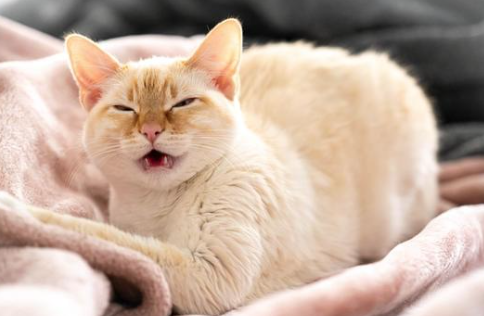
If you've ever had a bad cold, you know how frustrating the symptoms can be. If your cat happens to catch a feline upper respiratory infection (URI), they may experience some similar symptoms.
While calling a feline URI a "kitty cold" isn't entirely accurate, the symptoms can closely resemble those of a human cold. Fortunately, upper respiratory infections are not usually life-threatening for healthy adult cats, and most will make a full recovery. However, these infections can become much more serious for young kittens whose immune systems have not fully developed, as well as senior cats or those with weakened immune systems.
Symptoms of a Feline Upper Respiratory Infection
Whatever your cat's age or immune status, contact your veterinarian if you notice any of these common signs of a feline upper respiratory infection:
- Runny nose and/or eyes
- Sneezing or coughing
- Nasal congestion
- Small red sores in the mouth or nose
When Should You See a Veterinarian Right Away?
Some upper respiratory infections can become severe. Seek veterinary care as soon as possible if your cat develops any of the following symptoms:
- Open-mouth breathing
- Extreme lethargy
- Refusing to eat or drink
- Fever
- Eye or nasal discharge severe enough to seal the eyes or nostrils shut
How Are Feline Upper Respiratory Infections Treated?
Treatment varies depending on the severity of the infection and your cat's overall health. Your veterinarian may recommend:
- Subcutaneous fluids to help prevent dehydration
- Nutritional supplementation
- Antiviral medications
- Antibiotics (when a bacterial infection is suspected or when appropriate)
- Eye drops or ointment if the eyes are affected
Early diagnosis and supportive care can help your cat recover more comfortably and reduce the risk of complications.
What Causes Upper Respiratory Infections in Cats?
Several viruses can cause feline upper respiratory infections, but approximately 90% of cases are caused by either Feline Calicivirus or Feline Herpesvirus (which cannot infect humans).
These viruses are highly contagious and can spread through:
- Direct contact with an infected cat
- Shared food and water bowls
- Cat trees and scratching posts
- Toys and bedding
- Even the hands or clothing of a favorite human after contact with an infected cat
Because these viruses are so common, most cats are exposed at some point in their lives. Whether a cat becomes sick after exposure depends on several factors, including age, overall health, immune status, and stress levels.
Can Feline Upper Respiratory Infections Be Prevented?
Thankfully, vaccines are available to help protect cats against both Feline Calicivirus and Feline Herpesvirus. These vaccines are included in the routine FVRCP vaccine, which also protects against two other serious feline diseases: Distemper and Panleukopenia.
Most kittens begin receiving the FVRCP vaccine around six to eight weeks of age, with booster vaccinations recommended by their veterinarian throughout life.
Keeping your cat indoors can also greatly reduce the risk of exposure to these contagious viruses and help lower the chances of developing a feline upper respiratory infection.
If you think your cat may have signs of a feline upper respiratory infection, don't wait. Prompt veterinary care can help your cat feel better sooner and prevent more serious complications.


office hours
- Mon-Fri6:30am - 8:00pm
- Sat7:30am - 6:00pm
© 2026 Bishop Ranch Veterinary Center & Urgent Care. All rights Reserved. Privacy Policy.
Powered by:
