


Living Positive: Feline Immunodeficiency Virus (FIV)
By: Samantha Morin, Laboratory Assistant
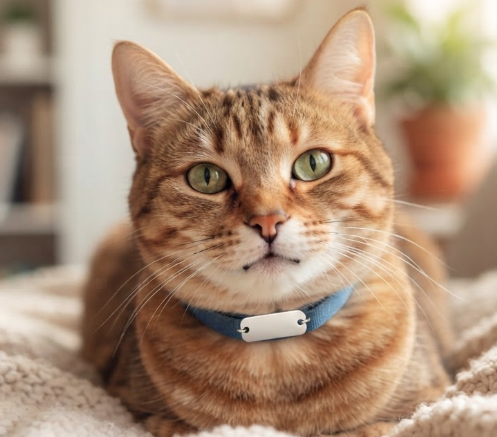
Everyone has heard of HIV, but did you know that cats have their own species-specific virus called Feline Immunodeficiency Virus (FIV)? Like HIV, FIV is a retrovirus that can be spread through blood and other bodily fluids. The overwhelming majority of cats who contract FIV get it through saliva in bite wounds inflicted by other cats. For this reason, it is most commonly seen in unneutered, adult male cats who spend most of their time outdoors.
Even then, FIV is uncommon, appearing in less than 5% of the general U.S. cat population. Removing feral cats from the calculation drops the prevalence even further, to as low as 1%.
What Is FIV?
Feline Immunodeficiency Virus (FIV) is a species-specific retrovirus that affects cats. Like HIV, FIV can be spread through blood and other bodily fluids.
How Do Cats Get FIV?
The overwhelming majority of cats who contract FIV get it through saliva in bite wounds inflicted by other cats. For this reason, FIV is most commonly seen in unneutered, adult male cats who spend most of their time outdoors.
FIV is uncommon, appearing in less than 5% of the general U.S. cat population. Removing feral cats from the calculation drops the prevalence even further, to as low as 1%.
How Is FIV Diagnosed?
There is no reliable vaccine for FIV, but blood testing is readily available and can be performed in-house at many veterinary clinics, including BRVC. Most reputable shelters and rescue organizations also test their cats and kittens before putting them up for adoption.
Can a Cat With FIV Live a Normal Life?
FIV does not currently have a cure, and the effectiveness of antiviral medications is still being studied. However, an FIV diagnosis does not necessarily mean that a cat will become seriously ill. Like humans with HIV, cats with FIV can often remain asymptomatic for years with appropriate care and healthy habits.
How Can I Keep My FIV-Positive Cat Healthy?
To help an FIV-positive cat remain as healthy as possible for as long as possible, owners should:
- Keep the cat indoors to limit exposure to contagious diseases.
- Avoid feeding raw foods to limit exposure to bacteria and other potential pathogens.
- Take the cat to the veterinarian for a wellness visit at least every 6 months, even if the cat is asymptomatic. Make sure your veterinarian knows the cat is FIV-positive so they can monitor for potential health concerns. FIV-positive cats may be more prone to dental disease and certain other health problems.
- Be diligent about giving preventatives for fleas, ticks, worms, and other parasites year-round.
- Have the cat spayed or neutered as soon as possible.
- Ask the veterinarian which vaccinations they recommend. Some FIV-positive cats may benefit from a customized vaccination schedule depending on their individual risk of contracting other diseases.
Can an FIV-Positive Cat Live With Other Cats?
Because FIV is spread primarily through bite wounds, an FIV-positive cat can still live in a multi-cat household when the cats are healthy and get along well.
Regular cleaning and disinfection of common areas and shared resources, such as litter boxes and food and water bowls, is also recommended.
Living With FIV
While FIV does not currently have a cure, an FIV diagnosis does not prevent a cat from having a good quality of life. With regular veterinary care and a little extra attention to their overall health, FIV-positive cats can continue to enjoy their lives with their families.
If your cat has been diagnosed with FIV or you have questions about FIV testing, prevention, or ongoing care, talk with your veterinary team about the best approach for your cat.


office hours
- Mon-Fri6:30am - 8:00pm
- Sat7:30am - 6:00pm
© 2026 Bishop Ranch Veterinary Center & Urgent Care. All rights Reserved. Privacy Policy.
Powered by:
