


Preparing Your Dog for a Laparoscopic Spay Consultation
By: Bishop Ranch Veterinary Center & Urgent Care
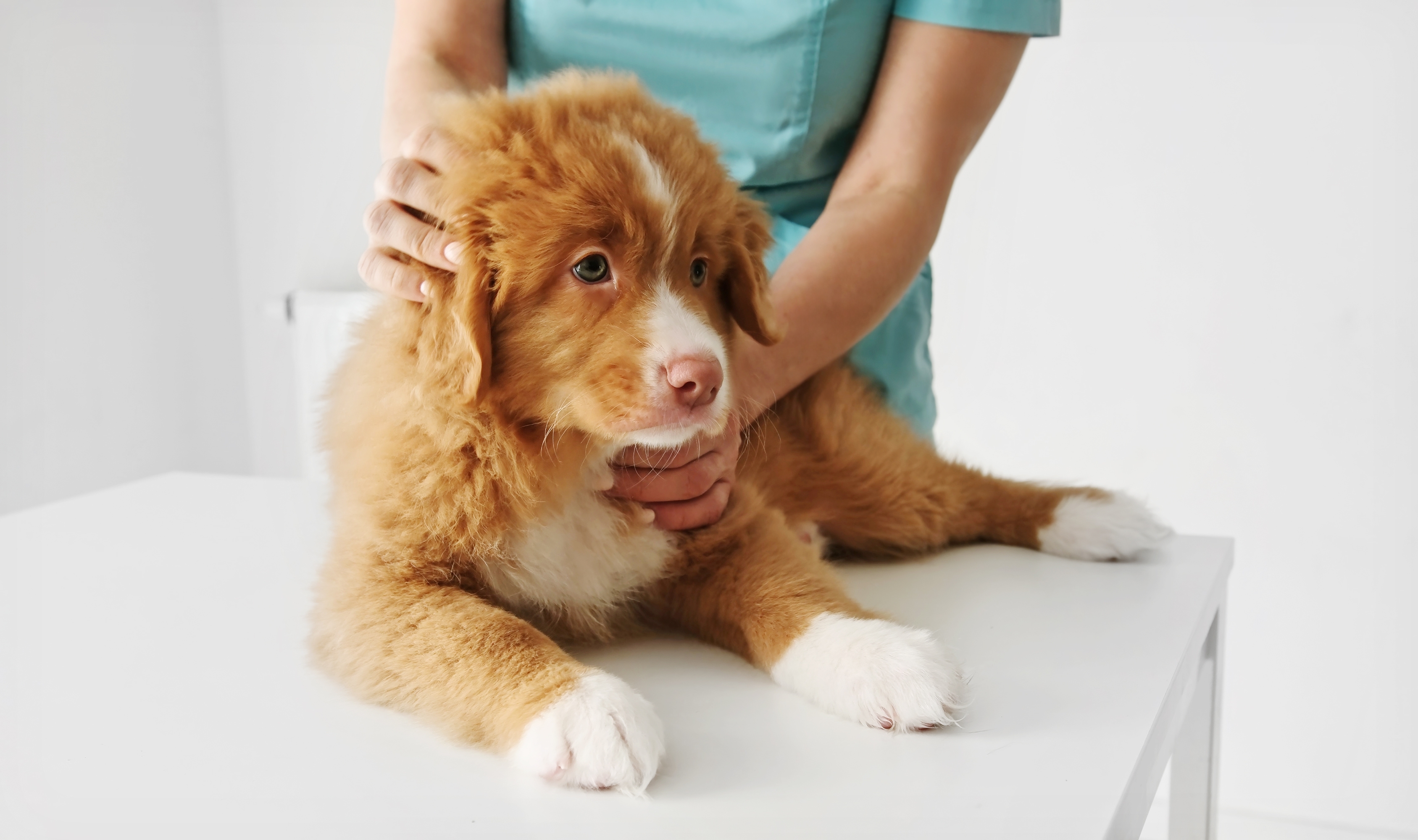
Choosing the right spay procedure for your dog is an important decision. At Bishop Ranch Veterinary Center & Urgent Care, we offer laparoscopic spay surgery as a minimally invasive alternative to traditional spaying. Before scheduling surgery, a consultation helps us evaluate your dog's health, discuss the procedure, and determine whether this approach is appropriate.
Understanding Laparoscopic Spay Surgery
A laparoscopic spay uses a small camera and specialized surgical instruments to remove the ovaries through small abdominal incisions. Compared to traditional open surgery, this technique generally causes less tissue trauma and may reduce postoperative discomfort and recovery time.
Factors such as age, weight, medical history, and overall health can influence whether laparoscopic surgery is recommended. During your consultation, we'll review these considerations and help you understand which surgical approach may be best for your dog.
Gather Your Dog's Medical Information
Providing a complete medical history helps us evaluate your dog's health and identify potential concerns before surgery. Before your laparoscopic spay consultation, gather information about your dog's previous veterinary care, including vaccinations, medical conditions, surgeries, and any previous reactions to anesthesia.
It's also important to tell us about medications or supplements your dog currently receives. If your dog has experienced recent illness, changes in appetite, or unusual behavior, mention these concerns during your visit. We may also ask about your dog's reproductive history, including previous heat cycles. These details can influence surgical planning and timing.
Questions to Ask During Your Consultation
Your consultation is an opportunity to understand the procedure and discuss what to expect before and after surgery.
Consider asking our veterinary team:
• Is my dog a good candidate for laparoscopic spay surgery?
• How does a laparoscopic spay differ from traditional spaying?
• What preoperative examinations or blood tests will my dog need?
• What are the potential risks associated with surgery and anesthesia?
• How long should I expect my dog's recovery to take?
• What is included in the estimated cost of the procedure?
If your dog is a large, deep-chested breed, you can also ask whether a preventive gastropexy may be appropriate. This procedure may sometimes be performed alongside a laparoscopic spay to help reduce the risk of gastric dilatation-volvulus (GDV).
What to Expect After Your Consultation
Once we've evaluated your dog, we'll discuss the recommended surgical plan and any necessary preparations. Our team may recommend pre-anesthetic testing to assess your dog's health before surgery. We'll also explain important instructions regarding eating, drinking, medications, and arrival times when the procedure is scheduled.
Although laparoscopic spays often allow for a shorter recovery period than traditional surgery, your dog will still need appropriate rest and postoperative care. We'll explain activity restrictions, incision monitoring, and signs that should prompt a call to our veterinary team. The consultation also provides an opportunity to discuss scheduling, costs, and any additional questions you have about your dog's procedure.
Schedule Your Dog's Laparoscopic Spay Consultation in San Ramon
If you're considering a minimally invasive spay for your dog, schedule a consultation with Bishop Ranch Veterinary Center & Urgent Care to explore whether laparoscopic surgery is the right option. Visit our office in San Ramon, CA, or call (925) 866-8387 to book an appointment today.


office hours
- Mon-Fri6:30am - 8:00pm
- Sat7:30am - 6:00pm
© 2026 Bishop Ranch Veterinary Center & Urgent Care. All rights Reserved. Privacy Policy.
Powered by:
