


Rattlesnake Season Is Here: How to Protect Your Pet
By: Bishop Ranch Veterinary Center & Urgent Care
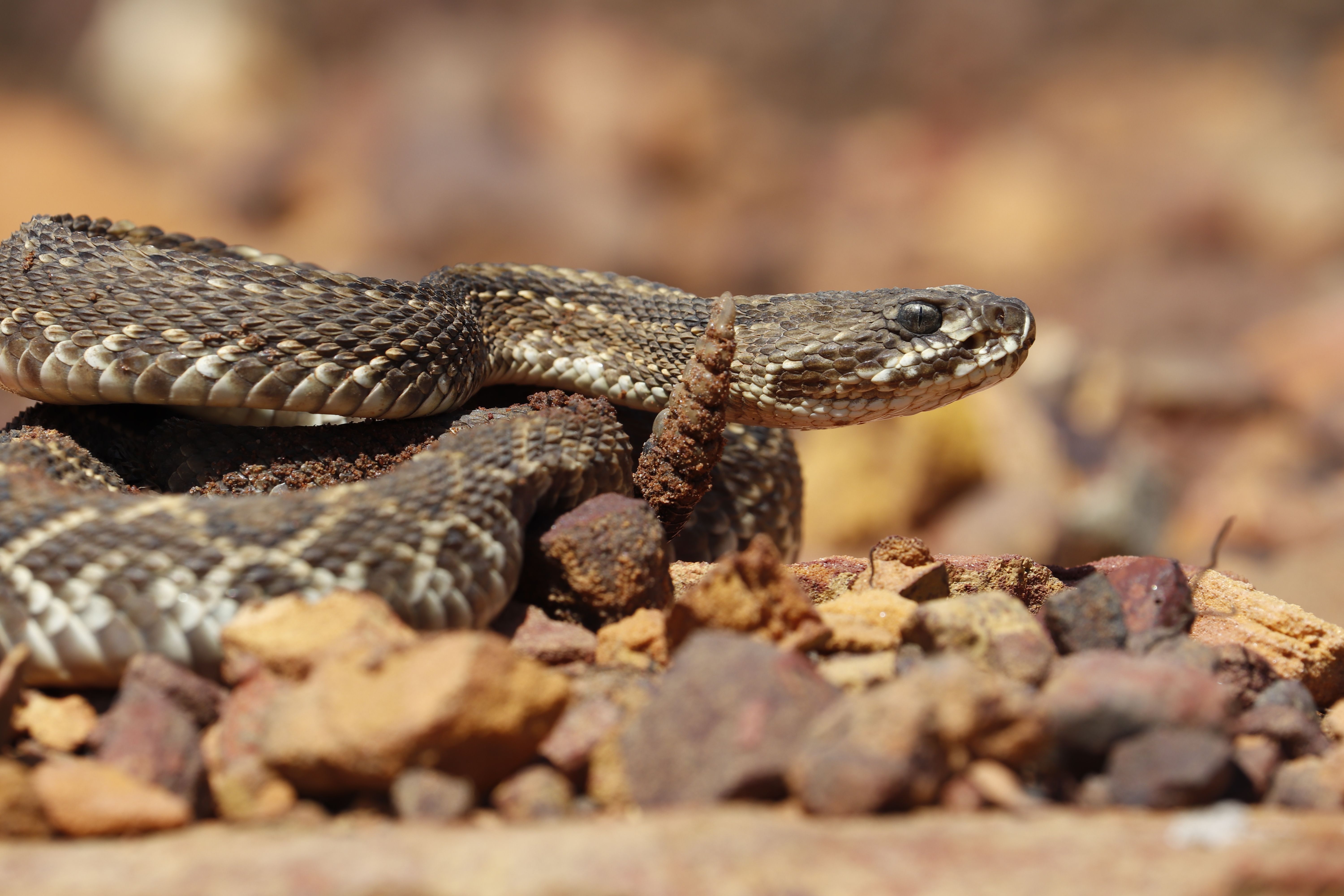
Rattlesnake season is a real concern for pet owners in San Ramon, especially as warmer weather brings snakes out into backyards, trails, and open spaces. Curious dogs and adventurous outdoor cats can get too close before anyone realizes the danger. Knowing how to reduce the risk and respond quickly can make a major difference.
Why Pets Are at Higher Risk
Pets do not recognize rattlesnakes as a threat the way people do. Many dogs investigate movement or sound, which can put their face, neck, or legs directly in a snake’s strike zone. Even well-behaved pets can be bitten during a routine walk, hike, or backyard outing.
In areas around San Ramon, rattlesnake encounters are more common in warmer months, especially near brush, rocks, tall grass, and undeveloped land. Staying alert during this time of year is an important part of protecting your pet.
Where Encounters Commonly Happen
Rattlesnakes are not limited to remote trails. Pets may come across them in places such as:
- Backyards with dense shrubs, wood piles, or rock features
- Walking paths near open space or hillsides
- Parks and trails with dry grass or brush
- Garages, sheds, or shaded areas where snakes may hide
Checking your yard and staying aware of your surroundings can help lower the chances of an unexpected encounter.
Practical Ways to Protect Your Pet
One of the best ways to protect your pet is to keep them leashed and close to you on walks, especially in high-risk areas. Avoid letting pets roam through tall grass, under bushes, or around rock piles where snakes may be hidden.
At home, keep your yard trimmed and remove debris that could attract rodents or create shelter for snakes. Supervise pets when they are outside, particularly in the early morning and evening when snakes may be active.
Signs of a Possible Snake Bite
A rattlesnake bite is a medical emergency. Signs may include sudden yelping, swelling, puncture wounds, pain, weakness, drooling, or difficulty breathing. Some pets may become anxious or collapse quickly after a bite. Do not wait to see whether symptoms improve. Fast veterinary care is critical.
What to Do Right Away
If you think your pet has been bitten, stay calm and limit their movement as much as possible. Carry your pet if you can, and get veterinary care immediately. Do not try to cut the wound, suck out venom, or apply a tourniquet. Those steps can make the situation worse. Prompt treatment gives your pet the best chance for a safer recovery. We provide urgent care for pet emergencies and work quickly when time matters most.
For prompt care after a rattlesnake encounter or bite, reach out to Bishop Ranch Veterinary Center & Urgent Care. Visit our office in San Ramon, California, or call (925) 866-8387 for further guidance.


office hours
- Mon-Fri6:30am - 8:00pm
- Sat7:30am - 6:00pm
© 2026 Bishop Ranch Veterinary Center & Urgent Care. All rights Reserved. Privacy Policy.
Powered by:
