


Seasonal Allergies in Pets: Is Your Dog or Cat Itching More This Spring?
By: Lauren Szyszka, Phone Department Supervisor
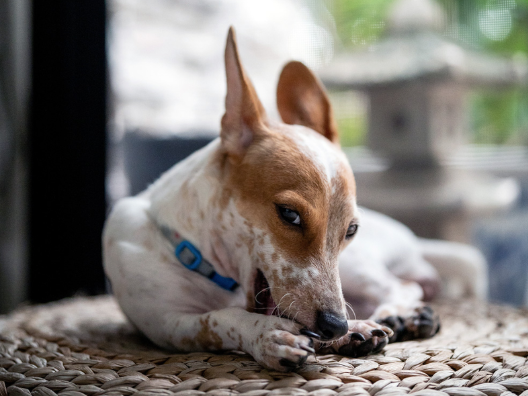
As spring settles into the Tri-Valley, many pet owners notice a familiar pattern—more scratching, licking, chewing at paws, and ear irritation in their dogs and cats.
Seasonal allergies are common this time of year, but they can be uncomfortable for pets and stressful for families trying to figure out what’s going on.
At Bishop Ranch Veterinary Center & Urgent Care, we frequently see an increase in skin and allergy-related concerns during spring. The good news: with the right care, most pets can feel much more comfortable and enjoy the season again.
What Seasonal Allergies Look Like in Pets
Most allergy signs show up through the skin and ears—not sneezing.
Common symptoms include:
- Excessive scratching or licking
- Chewing or licking paws
- Red, irritated skin
- Recurring ear infections or head shaking
- Face rubbing on furniture or carpet
- Hair thinning or hot spots
You may notice symptoms worsen after outdoor activity, especially in grassy or high-pollen areas around San Ramon and the Tri-Valley.
What Causes Spring Allergies?
Seasonal allergies (environmental allergies) are usually triggered by everyday exposures, including:
- Tree, grass, and weed pollen
- Mold spores
- Dust and environmental particles
- Outdoor allergens that stick to fur after time outside
Because these allergens come home on fur, shoes, and clothing, even indoor pets can be affected.
Flea Allergies Can Look Like Seasonal Allergies
Fleas are a very common—and often overlooked—cause of itching. Even a single flea bite can trigger a strong reaction in sensitive pets.
Signs of flea-related irritation include:
- Intense scratching or biting at skin
- Redness (often near tail base or belly)
- Hair loss or thinning coat
- Restlessness or discomfort
- Secondary skin infections from scratching
Because flea allergy and environmental allergy symptoms look very similar, it’s not always possible to tell the difference without an exam.
Flea Prevention Matters—Even During Allergy Season
Consistent flea prevention is an important part of managing skin health, especially in warmer months when flea activity increases locally.
For dogs, modern flea preventatives are highly effective, but many still work after flea exposure occurs.
For pets needing longer-lasting, simplified protection, veterinarian-guided options such as Bravecto Quantum may be considered as part of a comprehensive prevention plan.
Important: Bravecto Quantum is for dogs only.
Your veterinarian can help determine whether fleas, environmental allergies, or both are contributing to your pet’s symptoms—and guide the best prevention approach.
Why Allergy Symptoms Often Increase in Spring
Spring brings several overlapping triggers that can worsen symptoms:
- More outdoor activity
- Higher pollen levels
- Moisture supporting mold growth
- Increased flea and parasite exposure
For pets with sensitivities, these factors often combine and intensify irritation.
How We Help Manage Allergies
Because allergy symptoms can overlap with infections or parasite irritation, a veterinary exam is often the best first step.
Depending on your pet’s needs, treatment may include:
- Flea and parasite prevention adjustments
- Anti-itch or anti-inflammatory medications, including newer prescription options for dogs such as Numelvi (atinvicitinib) when appropriate
- Treatment for skin or ear infections
- Long-term allergy management plans
Our goal is simple: help your pet feel comfortable again and keep them there.
What You Can Do at Home
Small daily habits can help reduce flare-ups:
- Wipe paws after outdoor walks
- Bathe as recommended by your vet
- Wash bedding regularly
- Limit exposure on high pollen days when possible
- Stay consistent with parasite prevention
When to Call the Vet
Schedule an appointment if you notice:
- Persistent or worsening itching
- Frequent ear infections
- Skin redness or hair loss
- Signs your pet is uncomfortable or restless
Early care helps prevent more serious skin issues from developing.
We’re Here to Help
Seasonal allergies can be frustrating—but you don’t have to manage them alone.
At Bishop Ranch Veterinary Center & Urgent Care, we’re here to help identify what’s causing your pet’s symptoms and create a plan that supports long-term comfort and health.
If you’re noticing changes this spring, we’re always here to help you take the next step!


office hours
- Mon-Fri6:30am - 8:00pm
- Sat7:30am - 6:00pm
© 2026 Bishop Ranch Veterinary Center & Urgent Care. All rights Reserved. Privacy Policy.
Powered by:
