


Before You Share That Bite: Thanksgiving Food Safety for Pets
By: Lauren Szyszka, Phone Department Supervisor
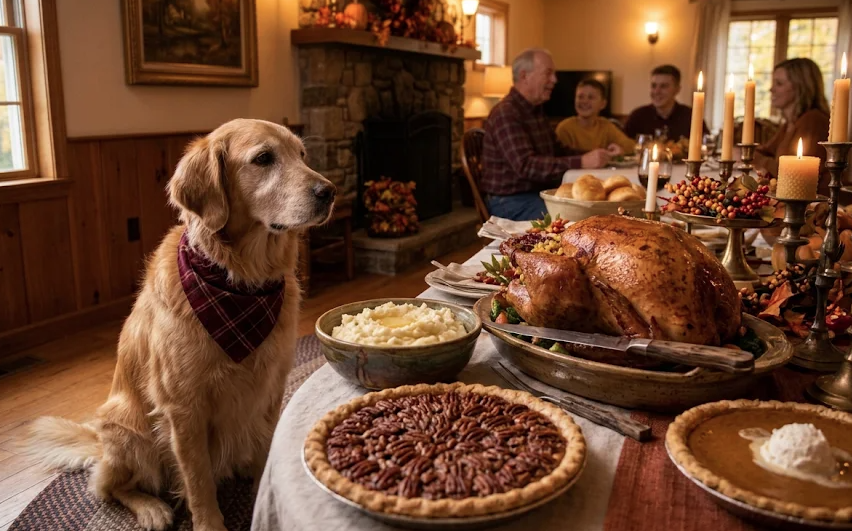
Thanksgiving is a time for gathering with family, enjoying favorite dishes, and sharing a little extra love with those around us—including our pets! With tempting smells filling the kitchen and plenty of food on the table, it can be hard to resist sharing a bite with your four-legged family members. However, many traditional Thanksgiving foods contain ingredients that can be harmful to dogs and cats.
Before offering your pet a taste of the holiday meal, here are some important food hazards to keep in mind.
Turkey: A Little Can Go a Long Way
Plain, fully cooked turkey meat can be an occasional treat for pets when served in small amounts. If you'd like to share a little with your pet, stick to boneless, skinless, unseasoned meat.
Avoid giving your pet:
- Turkey skin and fatty scraps: High-fat foods can cause digestive upset and may trigger pancreatitis, a potentially serious and painful inflammation of the pancreas.
- Cooked turkey bones: Bones can splinter, creating a choking hazard or potentially causing injuries or blockages in the digestive tract.
- Seasoned turkey: Garlic, onion, and other seasonings commonly used in holiday recipes can be harmful to pets.
Thanksgiving Foods to Keep Off Your Pet's Plate
Some holiday favorites may look harmless, but hidden ingredients can pose serious health risks.
Stuffing, Gravy & Casseroles
These dishes often contain onions, garlic, butter, rich fats, and seasonings. Onions and garlic can damage red blood cells, while high-fat ingredients can contribute to gastrointestinal upset or pancreatitis.
Grapes & Raisins
Often found in fruit salads, desserts, and some stuffing recipes, grapes and raisins can cause serious kidney injury in dogs. Although the risk in cats is less clearly established, it's safest to keep them away from both dogs and cats.
Chocolate & Desserts
Chocolate contains substances that are toxic to dogs and cats. Sugar-free desserts and baked goods may also contain xylitol, an artificial sweetener that can cause a dangerous drop in blood sugar and liver injury in dogs.
Alcohol & Unbaked Bread Dough
Alcoholic drinks can cause serious toxicity in pets. Raw yeast dough is also dangerous because it can expand in the stomach and produce alcohol as it rises.
Don't Forget the Kitchen and Trash
Food hazards don't end when dinner is served. Curious pets may find opportunities to sneak a bite while food is being prepared, plates are left unattended, or leftovers are being cleaned up.
A few simple precautions can help prevent an unexpected trip to the veterinarian:
- Keep food preparation areas and countertops clear of unattended ingredients.
- Remind family and guests not to feed pets from the table.
- Store leftovers promptly and keep them out of reach.
- Secure trash cans containing turkey bones, food scraps, foil, plastic wrap, and other discarded items.
- Keep pets away from the kitchen while food is being prepared if they tend to sneak or grab dropped ingredients.
What If Your Pet Eats Something They Shouldn't?
Even with the best precautions, accidents happen. If your pet gets into a potentially toxic food or swallows something they shouldn't, contact your veterinarian or an emergency veterinary hospital promptly for guidance. Don't wait for symptoms to appear, as some toxic exposures may not cause immediate signs of illness.
If possible, be prepared to share what your pet ate, approximately how much they consumed, and when it happened. Never attempt to induce vomiting unless specifically instructed by a veterinary professional.
Enjoy a Pet-Safe Thanksgiving!
Your pets don't need a plate full of Thanksgiving leftovers to feel included in the celebration. Stick to their regular meals, offer treats made specifically for them, and if you'd like to share a little turkey, make sure it's plain, boneless, skinless, and served in moderation.
With a little extra planning, you can help keep your four-legged family members safe, comfortable, and part of the holiday festivities.
From all of us at Bishop Ranch Veterinary Center & Urgent Care, we wish you and your family a happy and safe Thanksgiving!


office hours
- Mon-Fri6:30am - 8:00pm
- Sat7:30am - 6:00pm
© 2026 Bishop Ranch Veterinary Center & Urgent Care. All rights Reserved. Privacy Policy.
Powered by:
