


The Benefits of Non-Invasive Veterinary Procedures
By: Bishop Ranch Veterinary Center & Urgent Care
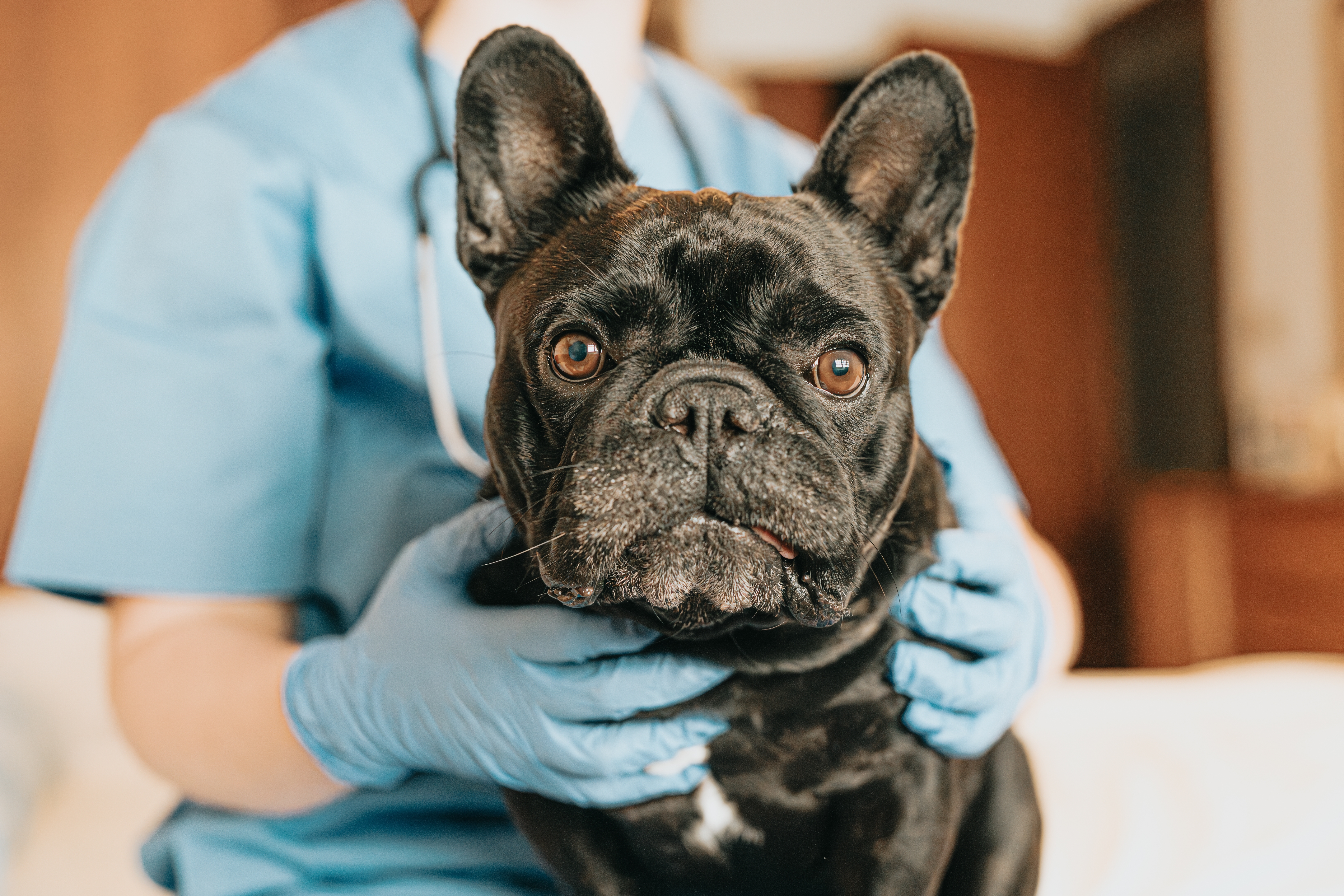
When pets need medical care, many owners worry about pain, anesthesia, recovery time, and stress. Non-invasive veterinary procedures can help make certain treatments safer, gentler, and more comfortable while still giving veterinarians the access and precision they need. For the right patient, these advanced options may support faster healing and a smoother experience from procedure to recovery.
What Are Non-Invasive Veterinary Procedures?
Non-invasive or minimally invasive veterinary procedures use smaller incisions, advanced imaging, cameras, and specialized tools to reduce tissue trauma. Instead of relying on larger surgical openings, veterinarians can often work through small keyhole incisions with improved visibility.
At Bishop Ranch Veterinary Center & Urgent Care, these options include procedures such as laparoscopic spays, laparoscopic gastropexy, laparoscopic liver biopsies, and laparoscopic cryptorchid neuters. Each pet is evaluated individually to determine whether a minimally invasive approach is appropriate.
Why Smaller Incisions Can Make a Big Difference
One of the biggest benefits of non-invasive veterinary procedures is reduced trauma to the body. Smaller incisions typically mean less disruption to surrounding tissue, fewer stitches, and a lower risk of bruising or bleeding.
For example, during a laparoscopic spay, a camera provides a magnified view of the surgical area. This allows our veterinarian to carefully seal and cut tissue with greater precision. Because the ovarian ligament does not need to be torn, pets may experience less pain compared to a traditional spay.
Benefits for Pets and Pet Owners
Minimally invasive veterinary care can offer several advantages, especially when performed by an experienced veterinary team using advanced equipment.
Key benefits may include:
- Smaller incisions and less tissue disruption
- Reduced post-operative pain and discomfort
- Less bleeding, bruising, and swelling
- Shorter anesthesia time in some cases
- Faster recovery and return to normal activity
- Improved surgical visibility for greater precision
These benefits can help pets feel more comfortable after their procedure and give owners more confidence during the healing process.
Common Minimally Invasive Procedures for Dogs
Laparoscopic spays are one of the most common minimally invasive veterinary procedures. This technique removes the ovaries through one or two small incisions, helping reduce pain and shorten recovery time.
Laparoscopic gastropexy is another important option, especially for large or deep-chested dogs at risk for bloat, also known as gastric dilatation-volvulus. During this procedure, the stomach is secured to help prevent it from twisting in the future. It may be performed at the same time as a spay or neuter for certain at-risk breeds.
Other laparoscopic procedures may include liver biopsies and cryptorchid neuters, depending on the pet’s needs and overall health.
Is Your Pet a Good Candidate?
Not every pet is the right fit for a non-invasive procedure. Our veterinarian will consider your pet’s age, size, medical history, previous surgeries, current health, and anesthetic risk before making a recommendation.
For many dogs, especially those who meet certain size and age criteria, minimally invasive surgery can be a strong option. However, very small pets or pets with certain medical concerns may need a different approach. A veterinary consultation is the best way to understand which procedure is safest and most effective for your pet.
Advanced Care with a Gentler Approach
Non-invasive veterinary procedures are designed to support better comfort, precision, and recovery whenever possible. By using smaller incisions and advanced technology, veterinarians can help reduce the physical stress of certain procedures while still providing high-quality care.
Contact Bishop Ranch Veterinary Center & Urgent Care to learn more about non-invasive veterinary procedures for your pet. Visit our office in San Ramon, California, or call (925) 866-8387 to book an appointment today.


office hours
- Mon-Fri6:30am - 8:00pm
- Sat7:30am - 6:00pm
© 2026 Bishop Ranch Veterinary Center & Urgent Care. All rights Reserved. Privacy Policy.
Powered by:
