


Ticks, Alpha-gal Syndrome & Why Tick Awareness Matters
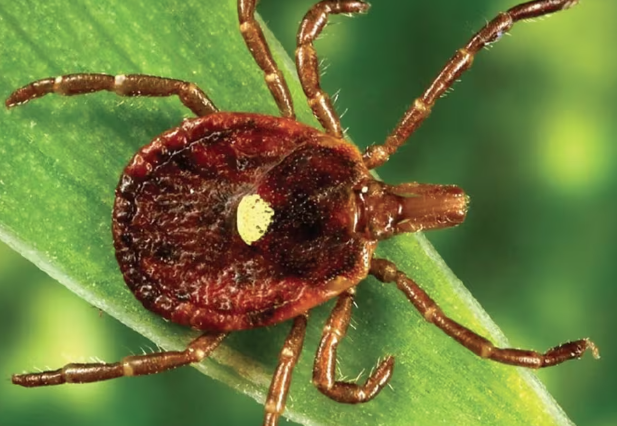
Ticks are more than a nuisance. They can carry diseases and, in some cases, their bites can have consequences that extend beyond the initial bite itself.
One example receiving increased attention is Alpha-gal syndrome (AGS), a potentially serious allergy associated with bites from certain ticks. In the United States, AGS is most commonly associated with the lone star tick, although researchers have identified cases involving other tick species as well.
What Is Alpha-gal Syndrome?
Alpha-gal syndrome is an allergic reaction to a molecule called alpha-gal, which is found in most mammals. Unlike many food allergies, reactions can be delayed for several hours after exposure and may range from mild symptoms to severe allergic reactions.The connection between tick bites and Alpha-gal syndrome is one more reason to take tick exposure seriously—for ourselves, our families, and our pets.
Want to Learn More?
A recent Yahoo News report takes a closer look at the increase in tick bites and the growing concern surrounding Alpha-gal syndrome.Watch the Yahoo News report: The Explosion of Ticks and Alpha-gal Syndrome
While Alpha-gal syndrome is a human health concern, the broader message is relevant to pet families too: tick prevention matters.
Keeping your pet consistently protected against fleas and ticks is an important part of preventive care. If you're unsure which prevention option is right for your pet, talk with your veterinary team about your pet's lifestyle, exposure risk, and available prevention options.
Looking for more information about flea and tick prevention for your dog?
Learn more about BRAVECTO® QUANTUM and the long-acting protection available at Bishop Ranch Veterinary Center & Urgent Care.


office hours
- Mon-Fri6:30am - 8:00pm
- Sat7:30am - 6:00pm
© 2026 Bishop Ranch Veterinary Center & Urgent Care. All rights Reserved. Privacy Policy.
Powered by:
