


Understanding FIP: What Every Cat Owner Should Know
By: Samantha Morin, Laboratory Assistant
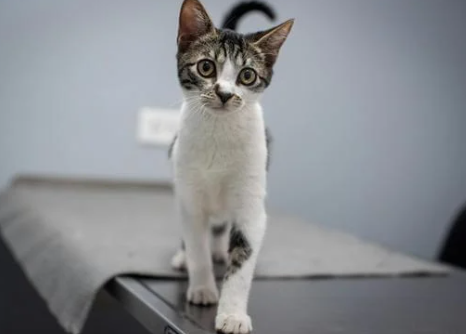
Of all feline infectious diseases, Feline Infectious Peritonitos (FIP) is one of the most complex and challenging. It most commonly affects kittend and young adult cats under three years of age. FIP idevelops when a common feline coronavirus mutates inside a cat’s body, leading to a serious and potentially life-threatening illness.
The non-mutated feline coronavirus is actually very common and is found in many cat populations. Most cats exposed to it never become sick, or may only experience mild signs such as a brief episode of diarrhea. In a small percentage of cats, however, the virus mutates inside the body and leads to FIP.
Thankfully, this mutated form of the virus is not considered contagious to other cats or to people. However, it can cause serious illness in the affected cat. One form, known as "wet" FIP, often causes a buildup of fluid in the abdomen. Another form, called "dry" FIP, may affect organs or the nervous system and can lead to symptoms such as wobbliness or seizures. Some cats may also show more general signs of illness, including fever, lethargy, weight loss, or a decreased appetite.
Because these symptoms can vary widely, disgnosing FIP can be challenging and may require multiple tests, including bloodwork and evaluation of bodily fluids.
Unfortunately, there is currently no guarenteed way to prevent FIP. Cats living in crowded environments appear to be at higher risk, and FIP is diagnosed more often in purebred cats. While all breeds can be affected, Abyssinians, Bengals, Ragdolls, and Rex breeds are reported more frequently. The reason for this is not fully understood and may be influenced by differences in testing and access to care.
While there are no FDS-approved treatments specifically for FIP, antiviral medications such as GC-376, GC-441524, and Remdesivir have shown promising results and can be legally prescribed by a veterinarian. Support and education resources are also available for families navigating an FIP diagnosis, including FIP Warriors.
An FIP diagnosis was once considered hopeless, but thanks to ongoing research and medical advances, there is no more reason for optimism than ever before.
If you have concerns about your cat’s health or questions about FIP, our veterinary team is here to help. Please don’t hesitate to reach out to discuss symptoms, testing, or next steps that may be right for your cat.


office hours
- Mon-Fri6:30am - 8:00pm
- Sat7:30am - 6:00pm
© 2026 Bishop Ranch Veterinary Center & Urgent Care. All rights Reserved. Privacy Policy.
Powered by:
