


Summer Pet Safety: Common Hazards to Watch for in the Tri-Valley
By: Lauren Szyszka, Phone Department Supervisor
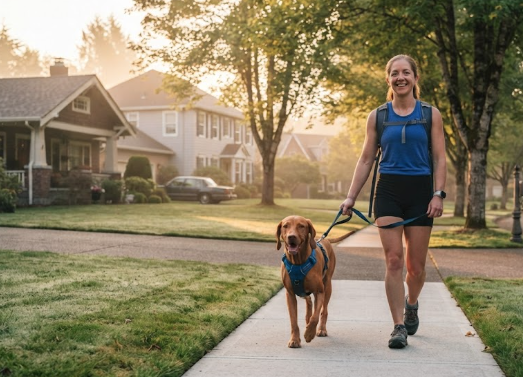
Summer in the Tri-Valley brings longer days, outdoor adventures, and plenty of opportunities to enjoy time with your pets. It also comes with seasonal hazards that many pet owners may not expect.
Throughout the summer, we often see an increase in preventable injuries and illnesses related to summer activities—from foxtail exposure and heat stress to accidental ingestion of unsafe foods.
This guide highlights some of the most common summer pet hazards in California and what to watch for so you can keep your dog or cat safe all season long.
Foxtails in Dogs and Cats: A Hidden Summer Danger in California
Foxtails are one of the most common and serious seasonal hazards we see in Northern California veterinary care. These barbed seed heads are designed to move in only one direction—forward. Once attached to your pet’s coat or skin, they can quickly work their way deeper into the body.
Pets exploring parks, trails, or even backyards in the Tri-Valley are at risk.
Common signs of foxtail injury include:
- Sudden and persistent sneezing
- Head shaking or pawing at the face
- Limping or licking a specific paw
- Swelling between toes or under the skin
- Redness, discharge, or sensitivity in one area
Foxtails can become lodged in the ears, nose, eyes, paws, or skin and often require veterinary removal. Delaying treatment can lead to infection or more serious complications.
After walks, hikes, or outdoor play, check your pet’s paws, ears, nose, eyes, and coat for foxtails before they have a chance to work their way deeper into the skin.
BBQ, Picnic, and Summer Food Hazards for Pets
Backyard barbecues, picnics, and family gatherings often mean tempting foods are within easy reach of curious pets. Unfortunately, many summer favorites can cause serious illness.
Foods to keep away from pets include:
- Fatty meats and greasy scraps (risk of pancreatitis)
- Cooked bones (can splinter or cause obstruction)
- Onions, garlic, and chives
- Grapes and raisins
- Chocolate
- Alcohol
- Xylitol (found in sugar-free gum and baked goods)
- Corn cobs and wooden skewers
Even small amounts can lead to vomiting, diarrhea, or lethargy. More serious cases may require urgent veterinary care.
If you’re unsure whether something your pet ate is dangerous, it’s always best to check with your veterinarian.
Bee Stings, Insect Bites & Outdoor Allergic Reactions
With more time spent outdoors, pets are more likely to encounter bees, wasps, and other insects.
Most stings cause localized swelling or discomfort, especially on the face or paws. Mild swelling is common, but if swelling spreads, affects your pet’s face or breathing, or your pet develops vomiting or difficulty breathing, they should be evaluated immediately.
Watch for:
- Facial swelling (especially around the eyes or muzzle)
- Hives or sudden itching
- Vomiting or diarrhea
- Difficulty breathing (emergency sign)
Heat Stress and Heatstroke in Dogs and Cats (California Summers)
Even on days that don’t feel extremely hot, pets can overheat quickly—especially during exercise, walks on pavement, or time in direct sun.
While dogs are more commonly affected during outdoor activities, cats can also experience heat stress, especially in warm indoor spaces, vehicles, or areas without adequate ventilation.
Heatstroke is a true veterinary emergency and can escalate rapidly.
Early signs of heat stress include:
- Excessive panting or drooling
- Bright red or pale gums
- Weakness or disorientation
- Restlessness or seeking shade
- Vomiting or collapse in severe cases
Prevention is key:
- Walk early in the morning or late in the evening
- Provide constant access to shade and fresh water
- Avoid hot pavement and enclosed spaces
- Never leave pets unattended in a parked vehicle, even for a few minutes
Post-Holiday Firework Stress & Delayed Symptoms
While fireworks may be over, some pets continue to experience stress for several days afterward. Others may have escaped during celebrations and returned home with injuries that are not immediately obvious.
Monitor for:
- Changes in behavior (clingy, withdrawn, or anxious)
- Limping or minor injuries
- Reduced appetite
- Hiding or restlessness
- Sensitivity to loud noises continuing after the holiday
Some pets may also experience delayed gastrointestinal upset or ongoing stress-related behavior changes.
When to Call Your Veterinarian
Summer hazards can range from mild irritation to urgent medical concerns. If your pet is showing unusual behavior or symptoms after outdoor exposure, travel, or summer celebrations, it’s always appropriate to check in.
Prompt evaluation can often prevent minor issues from becoming more serious and help your pet recover faster.
At BRVC, we’re here to support your pet’s health through routine care, seasonal concerns, and urgent needs throughout the summer season in the Tri-Valley.
When in doubt, give us a call—we’re happy to help guide next steps.
Frequently Asked Questions
Can foxtails hurt indoor pets?
Yes. While outdoor pets are at highest risk, foxtails can be brought inside on clothing or shoes.
How do I know if my pet has heatstroke?
Signs include excessive panting, drooling, weakness, vomiting, bright red gums, and collapse. Heatstroke is an emergency and requires immediate veterinary care.
What should I do if my pet eats BBQ food?
Contact your veterinarian right away if your pet ingests cooked bones, corn cobs, chocolate, grapes, xylitol, or other potentially toxic foods.
Can hot pavement hurt my pet’s paws?
Yes. Pavement, asphalt, and other surfaces can become hot enough to burn paw pads. If the ground feels too hot for your hand, it’s too hot for your pet’s paws. Try walking during cooler parts of the day and stick to shaded areas when possible.
Final Summer Pet Safety Reminder
Summer is meant to be enjoyed by the whole family—including your pets. By staying aware of common seasonal hazards and taking a few simple precautions, you can help keep your dog or cat safe, healthy, and ready to enjoy everything summer has to offer.


office hours
- Mon-Fri6:30am - 8:00pm
- Sat7:30am - 6:00pm
© 2026 Bishop Ranch Veterinary Center & Urgent Care. All rights Reserved. Privacy Policy.
Powered by:
